Fresh roasting can unlock flavor you’ll never get from pre-roasted beans. If you want more control over roast level, aroma, and freshness, the right setup matters.
This roundup of the best coffee roaster for small batches options in 2026 covers compact tools and home machines for beginners, hobbyists, and serious home roasters.
Best 10 Coffee Roaster for Small Batches Picks for 2026
Best for Traditional Small-Batch Roasting
Nuvo Eco Ceramic Handy Roaster
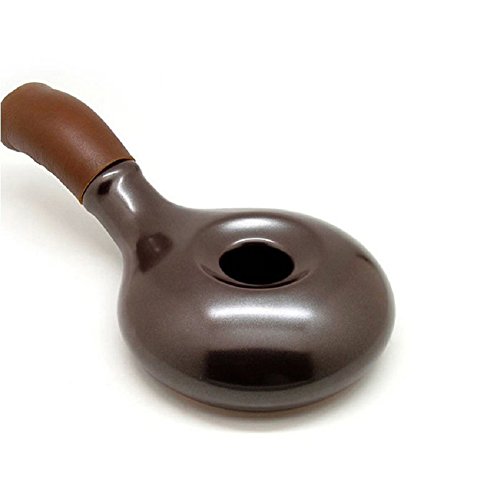
- 100% ceramic body with genuine cowhide grip
- Waffle-shaped interior helps even roasting
- Rear hole makes roast cracks easier to hear
Best For: Home roasters who want a compact, manual small-batch roaster with a traditional feel.
Best for Visible Roasts
Quartz Drum Gas Coffee Roaster
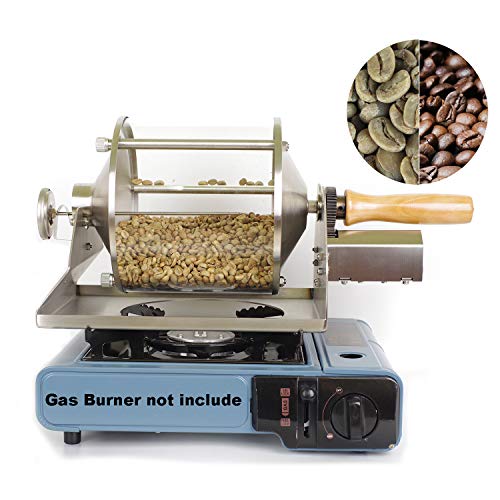
- Clear quartz drum for real-time roast monitoring
- 400g capacity fits small home batches
- Stainless steel frame with 12V motor
Best For: Home roasters who want a compact, visual drum roaster for coffee beans and nuts.
Best for Guided Roasting
Smart Home Coffee Bean Roaster

- 300g capacity suits everyday home batches.
- Auto and manual modes offer easy-to-advanced control.
- Ultra-low smoke design keeps roasting cleaner at home.
Best For: Home users who want a beginner-friendly roaster with room to experiment.
Best for Easy Batch Control
WINB Home Coffee Roaster Machine

- Timer and adjustable heat for dialing in roasts
- Works well at 300-500 g for small batches
- Transparent lid and non-stick base simplify use
Best For: Home beginners who want hands-on control over small coffee roasting batches.
Best for Outdoor Roasting
CAFEMASY Portable Coffee Bean Roaster

- Portable mesh pan for manual small-batch roasting
- Includes thermometer for better roast tracking
- 120g capacity suits test batches and travel use
Best For: Outdoor-focused roasters who want a lightweight manual tool for small, hands-on batches.
Best for Even Small-Batch Roasting
500g Coffee Bean Roaster with Timer

- Handles 400g-500g batches for more even roasting
- 0-240°C control and timer simplify roast setup
- Glass cover and automatic auger improve monitoring
Best For: Home roasters and small cafes that want a simple electric machine for consistent mid-size batches.
Best for Hands-On Roasting

- See-through borosilicate glass for easy monitoring
- Manual stovetop control for custom roast levels
- Compact size works well for small batches
Best For: Home roasters who want a hands-on stovetop tool for small coffee batches.
Best for Beginner Batches
Upgrade Coffee Roaster Machine for Home Use

- 110V home roaster with timer and adjustable heat
- 1200W power with rotating rods for more even roasting
- Transparent lid and non-stick base simplify use and cleanup
Best For: Beginners who want an easy, adjustable roaster for modest home batches.
Best for Hands-On Control
Portable Glass Coffee Bean Roaster

- Transparent borosilicate glass for easy roast monitoring
- Manual heat control for customized light-to-dark roasts
- Stove-safe and useful for coffee beans, nuts, and seeds
Best For: Home roasters who want visual control and small-batch flexibility on the stovetop.
Best for Larger Small Batches
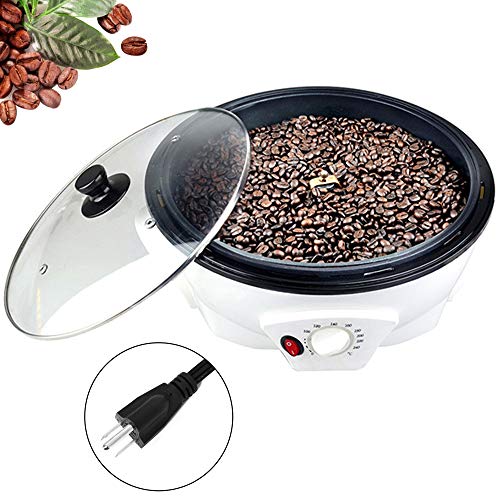
- 800W heating with adjustable temperature control
- 800g chamber; best results at 300g–500g per roast
- Non-stick, easy-clean design with viewing lid
Best For: Home roasters who want a higher-capacity machine for small-batch coffee and other roasting tasks.
Best for Traditional Small-Batch Roasting – Nuvo Eco Ceramic Handy Roaster
If you want a hands-on coffee roaster for small batches, the Nuvo Eco Ceramic Handy Coffee Bean Roaster is built for simple stovetop-style roasting with a durable ceramic body and a leather grip. Its waffle-shaped interior is designed to help beans roast more evenly, while the rear hole lets you hear the pops that signal roast progress.
Best For: Home roasters who want a compact, manual option for small, controlled batches and enjoy monitoring the roast by sound and sight.
Pros:
- 100% ceramic construction with a genuine cowhide grip
- Waffle-shaped interior helps promote more even roasting
- Rear hole makes first and second crack easier to hear
- Compact manual design suits small-batch roasting sessions
Cons:
- Requires hands-on attention throughout the roast
- Smaller capacity than electric countertop roasters
- Ceramic build may be less forgiving if dropped or mishandled
This is a practical pick if you want a coffee roaster for small batches and prefer a traditional, tactile roasting experience over automated controls. It rewards patience and attention, making it a good fit for hobbyists who like to fine-tune their roast.
Best for Visible Roasts – Quartz Drum Gas Coffee Roaster
If you want a coffee roaster for small batches that lets you watch the roast develop in real time, this gas-powered drum machine is built for that hands-on experience. The quartz glass drum makes it easy to track bean color changes, while the 400g max capacity keeps it practical for home roasting and other small-batch jobs.
Best For: Home roasters who want a compact, visual drum roaster for coffee beans and nuts, with enough control to roast by sight and sound.
Pros:
- Quartz glass drum gives clear visibility during the roast
- 400g max capacity is well suited to small home batches
- 304 stainless steel frame and base add durability
- 12V motor and included adapter keep operation relatively simple
Cons:
- Requires a gas burner and some hands-on temperature management
- Best results are typically in the 200-300g batch range, not the full capacity
- Less automated than electric countertop roasters
This is a strong pick if you want a coffee roaster for small batches and value direct visual control over a more automated, set-and-forget machine. The tradeoff is that it asks for more attention, but that’s also what makes it appealing to hobby roasters who like dialing in each roast.
Best for Guided Roasting – Smart Home Coffee Bean Roaster
If you want a coffee roaster for small batches that feels approachable but still gives you room to experiment, this model stands out. The 300g capacity is practical for home use, while auto and manual modes let you choose between simple roasting and more hands-on control.
Best For: Home roasters who want an easy entry point with enough control to refine roast profiles over time.
Pros:
- Auto mode makes small-batch roasting straightforward for beginners.
- Manual mode allows more precise control for custom profiles.
- Ultra-low smoke design and chaff collection help keep home roasting cleaner.
- Transparent viewing window and digital display make it easy to monitor progress.
Cons:
- 300g batch size is useful for home use, but not ideal for larger-volume roasting.
- Best results may require some learning when switching to manual mode.
Overall, this is a strong coffee roaster for small batches if you value convenience, visibility, and the option to grow into more advanced roasting. It is especially appealing for home users who want cleaner operation without giving up hands-on flexibility.
Best for Easy Batch Control – WINB Home Coffee Roaster Machine
If you want a coffee roaster for small batches that is simple to run but still gives you room to dial in heat and time, the WINB is a practical home option. It suits beginners who want more control than a basic popcorn-style setup without jumping to a commercial roaster.
Best For: Home users who want adjustable temperature and timer control for roasting coffee, peanuts, and other small-batch foods.
Pros:
- 0-60 minute timer and 100-240°C temperature range for more control
- Can roast up to 750 g, with a 300-500 g sweet spot for small batches
- Transparent lid helps you monitor color, aroma, and roast progress
- Non-stick, easy-clean design is convenient for home use
Cons:
- 110V unit may not suit all regions without the right power setup
- Larger capacity is useful, but best results are still in modest batch sizes
Overall, this is a flexible coffee roaster for small batches if you want an affordable way to experiment at home with coffee and other dry goods. The adjustable heat and timer make it easier to repeat results as you learn your preferred roast profile.
Best for Outdoor Roasting – CAFEMASY Portable Coffee Bean Roaster
If you want a simple coffee roaster for small batches without investing in a full electric machine, this handheld mesh pan gives you a low-cost way to roast over an open flame. It’s built for portability and lets you watch the beans closely as they change color, smoke, and crack, which is useful when you’re learning your preferred roast level.
Best For: Campers, home roasters with gas stoves or outdoor burners, and anyone who wants a manual, portable way to roast about 120g at a time.
Pros:
- Portable stainless steel mesh design is easy to pack for home, travel, or camping
- Included thermometer helps track roast progress more closely
- Wooden handle and buckle design improve handling and help keep beans contained
- 120g capacity works well for quick test roasts and small batches
Cons:
- Requires an open flame, so it’s not ideal for indoor use
- Manual shaking and close attention are needed throughout the roast
- Best suited to small batches rather than larger home-roasting volumes
As a coffee roaster for small batches, this CAFEMASY tool makes the most sense for hands-on users who value portability and control over convenience. It’s a practical starter option if you mainly want to experiment with fresh-roasted beans outdoors or on a gas burner.
Best for Even Small-Batch Roasting – 500g Coffee Bean Roaster with Timer
If you want a coffee roaster for small batches that can handle home use or a light cafe workflow, this 500g electric model offers a practical mix of capacity, temperature control, and visibility. Its non-stick drum, timer, and glass cover make it easier to monitor roast progress while keeping cleanup manageable.
Best For: Home roasters and small shops that want a simple electric machine for consistent 400g to 500g batches.
Pros:
- Optimum roast size of 400g-500g helps deliver more even results.
- 0-240°C temperature control and timer add flexibility for different beans.
- Transparent cover and automatic auger make it easier to watch and maintain roast movement.
- Non-stick pot and built-in smoke reduction support easier day-to-day use.
Cons:
- Smaller beans or damaged beans can cause jamming if not sorted first.
- Roasting under 400g may lead to uneven results.
- 110V power limits compatibility for some regions.
For buyers who want a coffee roaster for small batches with straightforward controls and a useful mid-range capacity, this machine is appealing. It is especially sensible if you plan to roast consistently in the 400g to 500g range and value easy monitoring over advanced programmability.
Best for Hands-On Roasting – Portable Glass Bean Roaster
If you want a coffee roaster for small batches that puts you in full control, this stovetop glass roaster is built for manual, see-through roasting at home. The high-borosilicate body lets you watch color changes as you work toward the roast level you want, while its compact size makes it easy to experiment with fresh beans in limited quantities.
Best For: Home roasters who want a simple, stovetop-friendly way to roast small coffee batches and other ingredients by hand.
Pros:
- High-borosilicate glass offers heat resistance and lets you monitor roast progress.
- Manual control makes it easier to fine-tune light, medium, or darker roasts.
- Compact design is well suited to small-batch home roasting.
- Works for coffee beans, nuts, and seeds for extra versatility.
Cons:
- Requires active attention and hands-on heat management.
- Glass construction may feel less rugged than metal roasters.
- Small capacity won’t suit anyone roasting larger quantities.
This is a practical pick if you want a coffee roaster for small batches and prefer a visual, manual process over a plug-and-play machine. It is especially appealing for tinkerers who like dialing in roast profiles one batch at a time.
Best for Beginner Batches – Upgrade Coffee Roaster Machine for Home Use
If you want a coffee roaster for small batches that keeps the process simple, this 110V home unit gives you adjustable heat, a built-in timer, and enough capacity to handle everyday home roasting. It is aimed at users who want control without moving up to a larger commercial-style machine.
Best For: First-time home roasters and hobbyists who want an easy way to roast modest amounts of coffee beans, peanuts, or other grains.
Pros:
- Adjustable temperature range and timer make it flexible for different roast levels
- 1200W heating and rotating stir rods help promote more even roasting
- Transparent lid lets you monitor color and aroma during the roast
- Non-stick base and simple design make cleanup easier
Cons:
- Best results are in smaller load sizes, not max-capacity batches
- Build and controls are more basic than higher-end dedicated roasters
- Customer ratings are solid but not standout
Overall, this is a practical coffee roaster for small batches if you value easy operation and adjustable settings over advanced precision. It is a good entry-level pick for experimenting with home roasting at a reasonable scale.
Best for Hands-On Control – Portable Glass Coffee Bean Roaster
If you want a coffee roaster for small batches that lets you watch the roast develop in real time, this manual glass model is a practical choice. The borosilicate body handles stovetop heat while giving you clear visibility, so you can monitor color changes and stop at the exact roast level you want.
Best For: Home roasters who want a stovetop tool for small, controlled batches of coffee beans or nuts with full visual monitoring.
Pros:
- High-borosilicate glass lets you see bean color and roast progress clearly
- Manual control makes it easy to fine-tune heat and roast time
- Works for coffee beans, nuts, and other small ingredients
- Stove-safe design suits common gas and electric ranges
Cons:
- Manual roasting takes more attention than automated machines
- Small-batch capacity may not suit larger home roasting needs
- Glass construction may feel more delicate than metal roasters
This is a solid coffee roaster for small batches if you value visibility and hands-on control over convenience. It’s especially appealing for experimenting with different roast levels at home, though buyers who want larger quantities or a more automated process may want to look elsewhere.
Best for Larger Small Batches – LUEUR Electric Coffee Roaster
If you want a coffee roaster for small batches that can handle more than a tiny sample size, the LUEUR electric unit is built for practical home roasting. Its 800W heater, stirring rod, and adjustable thermostat help produce more even results, while the transparent lid makes it easier to monitor roast progress.
Best For: Home roasters who want a higher-capacity machine for 300g–500g batches, plus the flexibility to roast other grains and snacks.
Pros:
- 800g chamber with a recommended 300g–500g working batch size
- Stirring rod and thermostat support more even, controlled roasting
- Non-stick, Teflon-coated bottom makes cleanup easier
- Clear lid and ventilation holes let you watch the roast as it develops
Cons:
- Not as compact as ultra-small home roasters
- 110V design may limit portability for some buyers
- Multi-use design is handy, but coffee-only users may not need the extra functions
Overall, this is a solid coffee roaster for small batches if you care more about practical capacity and controllable heat than boutique features. It suits buyers who want to roast enough beans for several days at a time without moving into full commercial equipment.
How We Picked the Best Coffee Roaster for Small Batches
We focused on models that make sense for home roasting, not oversized commercial systems. The strongest picks offered a practical batch size, manageable heat control, and a design that suits either countertop use or portable roasting.
We also looked at cleanup, smoke management, build quality, and whether the roaster supports consistent results for first-time users and repeat roasts.
Quick Comparison
Manual glass and mesh roasters are usually the simplest and most affordable, while electric models add convenience, timers, and more repeatable control. Gas or stovetop-style units can give experienced users more hands-on feedback, but they often require more attention during the roast.
Key Buying Factors for a Coffee Roaster for Small Batches
Batch Capacity
Choose a capacity that matches your habits. A 200g to 300g roaster is often ideal for testing profiles and making fresh weekly coffee. Larger 400g to 500g units work better if you roast for multiple drinkers or want fewer batches.
Heat Control and Consistency
More control usually means better repeatability. Electric roasters with timers and temperature settings simplify the process, while manual tools rely more on your timing and observation.
Smoke and Chaff Management
Roasting creates smoke and loose chaff. If you roast indoors, look for features like chaff collection, transparent chambers for monitoring, or designs that can be used near ventilation.
Material and Ease of Cleaning
Glass and stainless steel are common for small-batch models because they are durable and easy to inspect. Non-stick interiors can help, but only if they hold up well under repeated heat exposure.
Power Source and Setup
Think about where you’ll roast. A stovetop or gas burner setup gives flexibility, while plug-in electric units are better for straightforward countertop use. Portable tools are best if you want something simple for travel or outdoor roasting.
Who Should Buy Which Coffee Roaster for Small Batches?
Beginners who want the lowest learning curve should lean toward electric models with timers and clear controls. Hobbyists who enjoy hands-on roasting may prefer manual glass or mesh tools for their simplicity and visibility. If you roast frequently or want more consistent output, a larger-capacity electric Coffee Roaster for Small Batches is usually the best long-term choice.
If your main goal is flexibility, choose a model based on your preferred batch size, workspace, and how much control you want over the roast. That will narrow the field faster than looking at features alone.