Making bread, pizza, pasta, and enriched dough at home is easier when a machine handles the repetitive kneading. The best dough kneading machines for home bakers combine suitable capacity with consistent mixing, useful timing controls, and easy cleanup.
This roundup compares 10 options ranging from compact everyday mixers to large-capacity dough makers with fermentation functions, helping you choose a model that fits your recipes, counter space, and baking routine.
Best 10 Dough Kneading Machines for Home Bakers Picks for 2026
High-Capacity Mixer
Bosch Universal Plus Stand Mixer
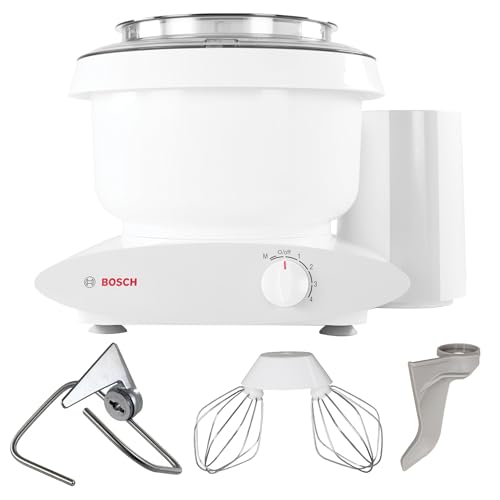
- 500W belt-driven motor for large batches
- 6.5-quart bowl with dough hook extender
- Optional attachments broaden kitchen use
Best For: Large bread and cookie batches
Large-Batch Fermentation Choice

- 9.5-quart capacity for substantial dough batches
- Winter and summer fermentation modes
- Mix, ferment, and filling-blend functions
Best For: Large households and varied dough-based cooking
Compact Everyday Mixer
Kitchen in the box 3.2Qt Stand Mixer
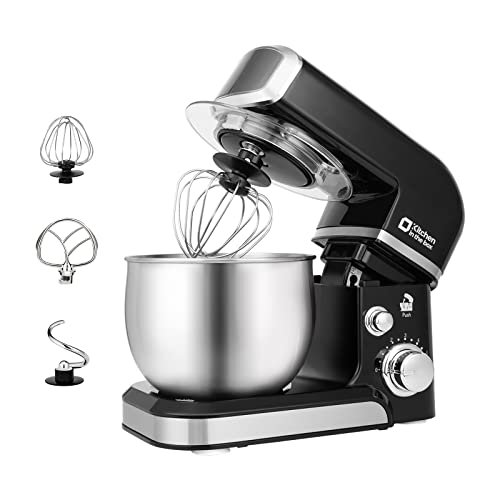
- Compact, lightweight design for small kitchens
- Six speeds and three included attachments
- 3.2-quart bowl for small batches
Best For: New bakers, couples, and apartment kitchens
Best for Easy Setup

- 7.4-quart bowl for substantial dough batches
- Mixing and 77–100°F fermentation modes
- 304 stainless steel bowl and blade
Best For: Frequent home bakers making larger batches
Convenient Knob-Control Choice

- Handles 300–1,400g of dough
- Timed kneading with 77–95°F fermentation
- Removable lid and dishwasher-safe blade
Best For: Bakers wanting simple controls and fermentation
Best Overall
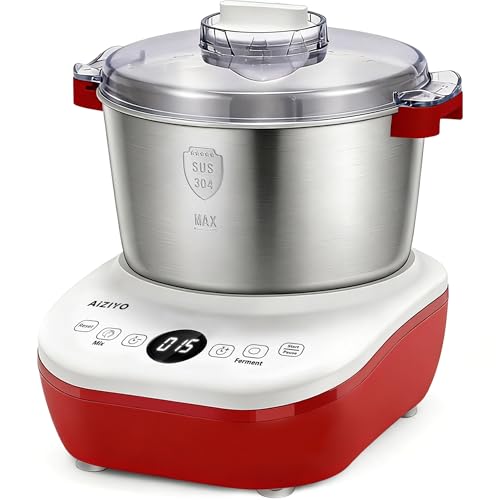
- 7.4-quart stainless steel bowl for family-size batches
- Hand-kneading-style mix-pause-mix program
- Built-in 77–100°F fermentation function
Best For: Families making large batches of bread, pizza, pasta, or mochi dough
Best for Ingredient Adjustments
- Add flour or water through the wide top opening
- Mix and ferment separately or together
- S-shaped blade with hand-kneading-style program
Best For: Beginners and everyday bakers adjusting recipes during mixing
Smart Fermentation Pick – Joydeem 7.4Qt Dough Maker
For home bakers comparing dough kneading machines for home bakers, the Joydeem JD-HMJ7L combines timed programs, intermittent kneading, and fermentation in a space-saving vertical design. Its 250W motor and roughly 7-quart capacity are suited to bread, pizza, buns, and dumpling dough.
Best For: Families and home bakers who want automated kneading and proofing with minimal hands-on work.
Pros:
- Microcomputer controls support preset timing and automatic kneading or fermentation programs.
- Large 6.6-quart capacity and 250W motor accommodate family-size dough projects.
- Stainless steel bowl and blade are dishwasher safe, while the removable top cover simplifies cleaning.
- Weighted construction and suction cups help reduce movement and noise.
Cons:
- It has only one speed and does not offer speed adjustment.
- The listed noise level is 70 dB.
- The base is not dishwasher safe.
This is a practical choice when convenience matters more than traditional mixer versatility. The fermentation function and timed programs make it especially useful for repeatable bread and pizza preparation.
High-Capacity Mixer – Bosch Universal Plus Stand Mixer
The Bosch Universal Plus is a powerful option among dough kneading machines for home bakers, particularly for large whole-grain and cookie batches. Its belt-driven 500W motor, 6.5-quart bowl, dough hook, and included extender are designed for substantial mixing jobs.
Best For: Serious home bakers who regularly make large batches of bread dough, cookies, or other recipes.
Pros:
- The manufacturer states it can knead up to 14 loaves or 15 pounds of whole-grain dough.
- The 6.5-quart BPA-free bowl has a handle and is dishwasher safe.
- Four speeds and included wire whips, dough hook, splash ring, and dough hook extender support varied recipes.
- Optional attachments can expand it for tasks such as slicing, shredding, grinding, juicing, and pasta making.
Cons:
- The bowl and main construction use plastic rather than stainless steel.
- It uses manual knob controls rather than automated kneading or fermentation programs.
- The listed voltage is 230 volts, so compatibility should be checked before purchase.
Choose this Bosch when batch size and versatility are priorities. It is better suited to hands-on bakers who want a multifunction stand mixer than to shoppers seeking automatic proofing.
Large-Batch Fermentation Choice – Joydeem 9.5Qt Dough Maker
For bakers needing more capacity and seasonal proofing control, the Joydeem HMJ-A901 stands out among dough kneading machines for home bakers. Its 300W intermittent-kneading motor, 9.5-quart bowl, adjustable mixing times, and winter and summer fermentation modes cover both dough and filling preparation.
Best For: Large households and home cooks making bread, sourdough, roti, dumplings, steamed buns, or mixed fillings.
Pros:
- The 9.5-quart bowl handles stated flour weights from 900g to 2800g, with up to 2500g for fermented dough.
- Mix, Ferment, Mix + Ferment, and Blend modes provide flexible preparation options.
- Mixing time can be set from 5 to 30 minutes, while fermentation can be set from 5 to 120 minutes.
- 304 stainless steel bowl and blade are durable and easy to clean.
Cons:
- Its larger footprint may be less suitable for compact kitchens.
- The machine is designed around dough and filling functions rather than general stand-mixer attachments.
- Fermentation temperatures and settings require the user to select the appropriate seasonal mode.
This model is a strong fit for high-volume dough preparation and users who want more control over proofing conditions. Its dual mixing functions also make it more useful for dumpling and other filled-food recipes.
Compact Everyday Mixer – Kitchen in the box 3.2Qt Stand Mixer
The Kitchen in the box mixer is a compact entry-level option among dough kneading machines for home bakers. With a 3.2-quart stainless steel bowl, six speeds, and included dough hook, whisk, and flat beater, it suits smaller everyday baking tasks without taking up much counter or storage space.
Best For: Apartment dwellers, couples, new bakers, and anyone making small batches.
Pros:
- Its under-7-pound body and compact dimensions are convenient for small kitchens and limited storage.
- Six speeds support bread dough, batters, meringues, whipped cream, and gentle stirring.
- The tilt-head design makes it easier to access the bowl and change attachments.
- Four suction cups help keep the mixer steady during operation.
Cons:
- The 3.2-quart capacity is limited for large dough batches.
- It provides manual mixing rather than automatic fermentation or timed dough programs.
- The dough hook and flat beater are aluminum, not stainless steel.
This mixer makes sense when storage space and affordability-style practicality matter more than batch size. It offers broader everyday mixing capability than a dedicated dough maker, but large families may outgrow its bowl.
Best for Easy Setup – Joydeem 7.4Qt Dough Maker
For home bakers comparing dough kneading machines for home bakers, the Joydeem HMJ-A701 stands out for its generous capacity and integrated fermentation function. Its 230W intermittent motor handles a range of doughs, while adjustable mixing and fermentation times help streamline bread, pizza, pasta, sourdough, roti, dumpling, and steamed-bun preparation.
Best For: Home bakers who make larger batches and want mixing and low-temperature fermentation in one machine.
Pros:
- 7.4-quart stainless steel bowl accommodates 600–2,200g of flour, with up to 1,600g recommended for fermented dough.
- Maintains a 77–100°F fermentation range and offers mixing-only, fermentation-only, or combined modes.
- 304 stainless steel bowl and blade, a top ingredient window, and four silicone suction cups support convenient, stable operation.
Cons:
- The single-speed, 230W design offers less speed control than a conventional stand mixer.
- Because the fermentation temperature is limited, warm water is recommended during winter.
- Its larger 7.4-quart footprint may be more capacity than smaller households need.
The HMJ-A701 is a practical choice when batch size matters. Its timer range, stainless steel construction, and built-in fermentation make it especially useful for frequent bread makers who want fewer manual steps.
Convenient Knob-Control Choice – 6.5QT Electric Dough Mixer
This 6.5-quart model is one of the more feature-focused dough kneading machines for home bakers, combining a stainless steel kneading blade with timed mixing and constant-temperature fermentation. Its mechanical knob, removable lid, suction-cup base, and stated noise-reduction design are aimed at practical everyday use.
Best For: Home bakers who want a mid-size dough maker with hands-on controls and a built-in fermentation cycle.
Pros:
- 6.5-quart 304 stainless steel bowl is recommended for 300–1,400g of dough.
- Mix-pause-mix kneading action and a removable lid allow ingredient additions during mixing.
- 77–95°F constant-temperature fermentation, removable kneading blade, and dishwasher-safe blade simplify the workflow.
- Knob controls, a suction-cup base, lid safety buckles, and low-noise operation support steady use.
Cons:
- The mixing bowl is not recommended for dishwasher cleaning.
- The fermentation function requires yeast or baking powder.
- Its recommended dough capacity is lower than the bowl’s full 6.5-quart volume might imply.
This mixer balances useful automation with straightforward knob control. It is a strong option for bakers who value a removable lid and blade, moderate batch capacity, and a dedicated fermentation setting.
Compact Everyday Option – Joydeem 5.3Qt Dough Maker
For smaller batches, the Joydeem HMJ-A501 offers a more compact approach to dough kneading machines for home bakers. Its 180W intermittent motor supports common dough recipes, while adjustable mixing and fermentation timers provide a straightforward way to prepare bread, pizza, pasta, sourdough, roti, dumplings, and steamed buns.
Best For: Home bakers who need a smaller-capacity machine for regular family-size dough batches.
Pros:
- 5.3-quart stainless steel bowl handles 300–1,600g of flour, with up to 1,300g recommended for fermented dough.
- 77–100°F seasonal fermentation and three operating modes support flexible dough preparation.
- Mixing and fermentation times adjust in five-minute increments, up to 40 and 120 minutes respectively.
- 304 stainless steel bowl and blade, ingredient window, and silicone suction cups aid cleanup and stability.
Cons:
- The 180W motor and single-speed design provide limited control compared with variable-speed mixers.
- Warm water is recommended for mixing and fermentation during winter because the unit does not reach high fermentation temperatures.
- The maximum fermented-dough load is lower than the maximum flour capacity.
The HMJ-A501 is a sensible fit for everyday dough making when a 5.3-quart capacity is sufficient. It delivers the same useful timed fermentation concept as the larger Joydeem model in a smaller format.
Best Overall – AIZIYO DoughChief 7.4QT Mixer
For home bakers comparing dough kneading machines for home bakers, the AIZIYO DoughChief stands out for its large family-size bowl and combined kneading and proofing functions. Its mix-pause-mix program is designed to imitate hand kneading, while the temperature-controlled ferment mode helps support more consistent dough rising.
Best For: Families making bread, pizza, pasta, or mochi dough in larger batches.
Pros:
- 7.4-quart 304 stainless steel bowl handles multiple loaves or large pizza dough batches.
- Mix-pause-mix program with an S-shaped blade supports elastic, evenly developed dough.
- Built-in 77–100°F fermentation function supports proofing and yeast activation.
- Removable lid and detachable blade simplify ingredient additions and cleanup.
Cons:
- Single-speed operation offers less control than mixers with multiple speeds.
- The fermentation function requires yeast or fermentation powder.
The DoughChief is a practical choice when batch capacity and integrated proofing matter more than speed settings. Its touch controls and included measuring accessories add convenience for routine baking.
Best for Hands-Free Kneading – 7.4QT Electric Dough Mixer
This 7.4QT electric dough mixer is purpose-built for kneading bread, pizza, roti, and sourdough dough. Among dough kneading machines for home bakers, it is a straightforward option for hands-free preparation, with a timer, fermentation control, and capacity for up to 2.1 kilograms of dough.
Best For: Home bakers who want automated kneading and proofing for large dough batches.
Pros:
- Designed specifically for dough and supports 600–2,100 grams of flour.
- 7.4-quart BPA-free stainless steel bowl suits family baking.
- Timer and 77–100°F fermentation function help streamline dough preparation.
- Hands-free operation, low-noise design, and reduced vibration support daily use.
Cons:
- Push-button controls may be less flexible than a multi-speed system.
- Its 200-watt motor specification may be less appealing for users seeking a higher-wattage mixer.
This model focuses on the basics: add ingredients, select the desired function, and let the machine handle the kneading. It is especially useful for bakers who regularly prepare heavy dough in family-sized quantities.
Best for Ingredient Adjustments – AIZIYO DoughChief 7.4Qt
The AIZIYO DoughChief is a useful pick for home bakers who want to adjust a recipe while mixing. Its wide top opening allows ingredients to be added during operation, while the S-shaped blade and mix-pause-mix program help develop dough with less manual effort.
Best For: Beginners and everyday bakers who value easy ingredient adjustments and integrated proofing.
Pros:
- Wide top opening allows flour or water adjustments without stopping the machine.
- Mix and ferment functions can be used separately or together.
- 7.4-quart 304 stainless steel bowl is suited to family baking.
- Touch controls, digital display, and detachable components support convenient use and cleanup.
Cons:
- One-speed operation provides limited mixing-speed customization.
- The listed noise level is 75 dB, which may matter in quieter kitchens.
- Fermentation requires yeast or fermentation powder.
This DoughChief emphasizes ease of use rather than extensive controls. The ability to add ingredients mid-mix and choose between kneading, proofing, or both makes it a flexible option for routine bread and pizza dough.
How We Picked These Dough Kneading Machines for Home Bakers
We focused on the features that matter most for frequent home baking: bowl capacity, dough-handling capability, motor and speed control, fermentation support, construction, controls, and versatility. The selection includes dedicated dough makers as well as stand mixers, so you can compare specialized performance with broader kitchen functionality.
Capacity claims should be interpreted alongside the type of dough you make. A machine may have a large bowl but a lower practical limit for dense whole-wheat or enriched dough. We also considered removable parts, transparent lids, timers, seasonal fermentation settings, and included attachments where listed.
Quick Comparison
- Best for dedicated bread making: Choose a dough maker with fermentation and timed programs.
- Best for varied kitchen tasks: A stand mixer with a dough hook, whips, and other attachments offers more flexibility.
- Best for small kitchens: A compact 3.2-quart mixer is easier to store and suits modest batches.
- Best for large batches: Look for 7.4- to 9.5-quart models, while checking their recommended dough weight.
- Best for seasonal baking: Fermentation modes can help maintain more consistent proofing in changing room temperatures.
Key Buying Factors for Dough Kneading Machines for Home Bakers
Capacity and Batch Size
Match the bowl to your normal recipes rather than choosing the largest capacity automatically. Smaller bowls work well for one loaf or occasional pizza dough, while larger models are useful for families, meal prep, or multiple loaves. Confirm the manufacturer’s maximum dough weight before kneading heavy mixtures.
Dedicated Dough Features
Fermentation settings, timers, kneading programs, and lids can make a dedicated dough maker more convenient than a basic mixer. Seasonal or temperature-oriented fermentation controls are particularly helpful when your kitchen is cool or warm.
Power, Speeds, and Stability
Dense dough places more strain on a machine than cake batter. Look for a sturdy bowl, stable base, suitable speed control, and clear guidance on operating time. More wattage alone does not guarantee better kneading, so consider the complete design.
Cleanup and Counter Space
Removable bowls, lids, and attachments simplify cleanup. Measure your available counter and storage space, including the height needed to open a lid or add ingredients. Stainless steel bowls are durable, but they can add weight.
Who Should Buy Which Dough Kneading Machines for Home Bakers?
Choose a compact stand mixer if you bake smaller batches and also want to mix eggs, batters, or whipped ingredients. Select a dedicated 5.3- to 6.5-quart dough maker for regular bread and pizza baking without needing many extra functions.
For larger households or frequent batch baking, a 7.4- or 9.5-quart model provides more working room, provided its real dough limit suits your recipes. A Bosch-style stand mixer is a strong choice for bakers who want a proven multi-purpose appliance and useful accessory support. Finally, prioritize fermentation controls if you want the machine to help manage proofing as well as kneading.